People

Director

Dr. Hedy Kober

Dr. Hedy Kober (she/her)

Principal Investigator

hedy@berkeley.edu

Hedy received her Ph.D. in Psychology with a focus on Cognitive and Affective Neuroscience from Columbia University in 2009. She also recently completed a respecialization in Clinical Psychology. She is currently a Professor at the Department of Psychology at the University of California, Berkeley. She was previously an Associate Professor of Psychiatry, Psychology, Neuroscience, and Cognitive Science at Yale, and still holds an Adjunct Professor appointment with the Department of Psychiatry. She uses affective/clinical/translational neuroscience approaches to investigate self regulation broadly - with a specific focus on psychopathology and especially substance use disorders. She then uses the insights from this research to develop, test, and improve interventions (with an emphasis on cognitive-behavioral and mindfulness-based approaches).
Affiliated Faculty

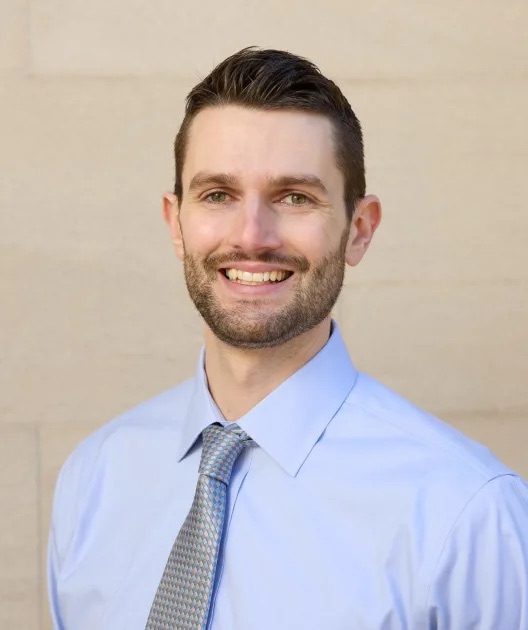
Corey Roos, Ph.D.

Corey Roos, Ph.D. (he/him)

corey.roos@yale.edu

Dr. Roos received his Ph.D. in Clinical Psychology from University of New Mexico in 2018. He is Assistant Professor of Psychiatry and a licensed clinical psychologist. His research focuses on mindfulness-based interventions for substance use disorders, web- and app-based interventions, self-regulation strategies, patient-treatment matching, and harm reduction.

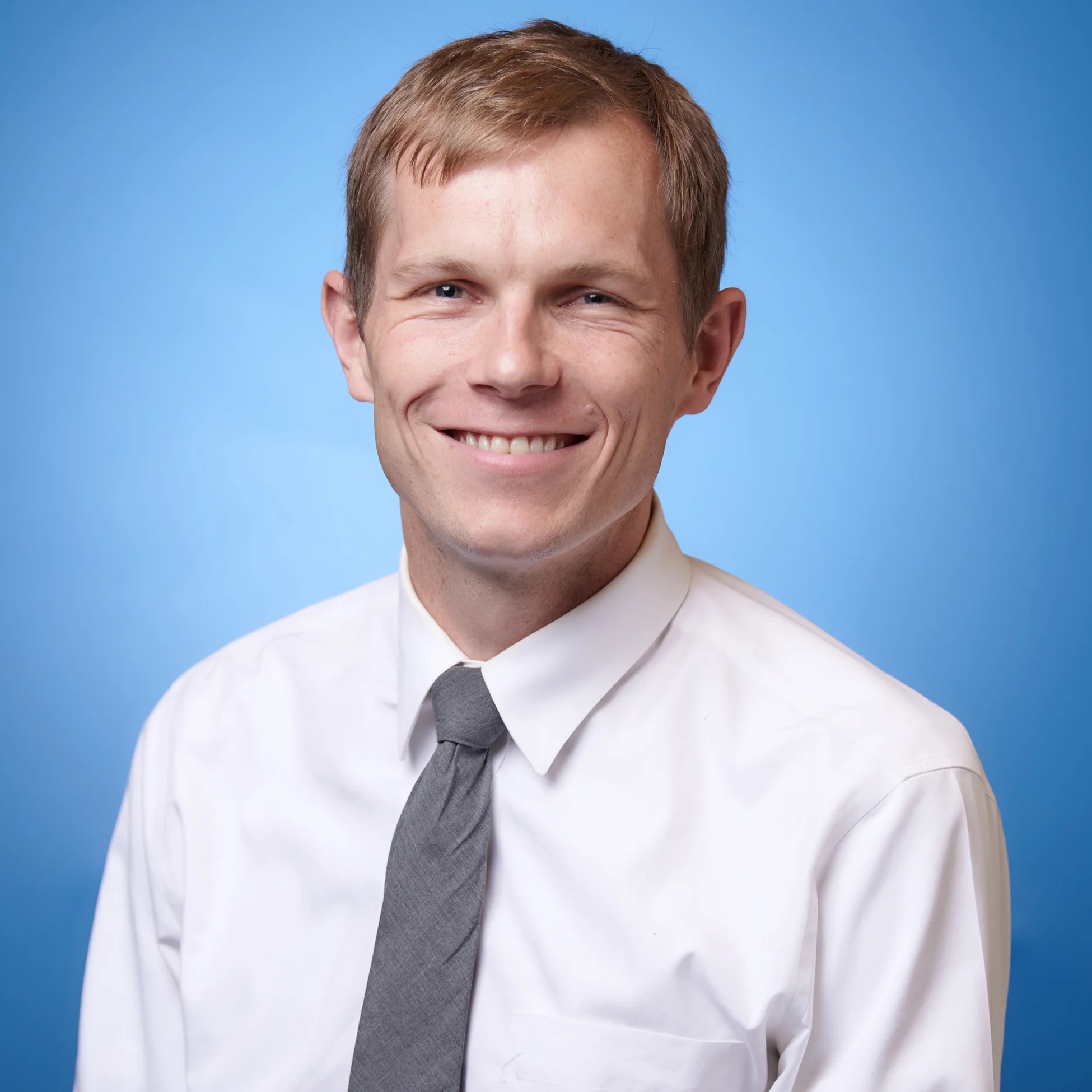
David Saunders, M.D., Ph.D.

David Saunders, M.D., Ph.D. (he/him)

david.saunders@nyspi.columbia.edu

David obtained his MD at Weill Cornell Medical School (WCMC) and his PhD in Religion at Emory University under John Dunne, with a specific focus on Buddhist meditation theory and philosophy of mind. He was a clinical and research fellow in the Albert J. Solnit Integrated Training Program and a postdoctoral fellow in the lab. He is now an Assistant Professor of Psychiatry at Columbia University, and is still an integral part of our lab. Along with Dr. Kober and others, he is developing and running a clinical trial evaluating Mindfulness-Based ADHD Treatment for Children (MBAT-C).

Margaret Sala, Ph.D.

Margaret Sala, Ph.D. (she/her)

margarita.sala@yu.edu

Dr. Margaret Sala's research interests focus on understanding the role that mindfulness plays in eating and weight disorders. Her research addresses the extent to which trait and state mindfulness are related to eating and exercise behaviors as well as eating pathology. She has also recently begun exploring whether mindfulness-based interventions can be used to increase exercise behaviors. The ultimate goal of her research program is to design novel mindfulness-based interventions that alleviate eating and weight disorders. Dr. Sala has used several different methodologies in her research, including surveys, longitudinal designs, ecological momentary assessment (EMA), meta-analyses, and randomized controlled trials (RCTs).

Postdoctoral Researchers

Nicholas Harp, Ph.D.

Nicholas Harp, Ph.D. (he/him)

nick.harp@berkeley.edu

Nick is interested in the links between mind-body wellness and affective experience. For instance, he has studied how physical activity and mindfulness-based interventions relate to affective bias, and he is interested in further exploring how physical activity or mindfulness interventions might reduce craving or negative affect in substance use disorders. He is also interested in the brain basis underlying such effects. For instance, he is currently using functional magnetic resonance imaging (fMRI) to examine patterns of brain activity associated with clinically relevant outcomes (e.g., relapse in substance use disorders), and testing the recently developed Neurobiological Craving Signature, in the service of improving treatments.

Graduate Students

Darby Lowe

Darby Lowe (she/her)

darby.lowe@berkeley.edu

Darby Lowe is a PhD student in Clinical Psychology. Before beginning her doctoral training, she earned a Master of Science in Neuroscience at the University of Toronto, where she conducted clinical research on the biopsychosocial underpinnings and treatment of concurrent disorders at the Centre for Addiction and Mental Health. She is now particularly interested in understanding substance use and craving, and in translating this knowledge into effective, accessible therapeutic approaches, with a current focus on cannabis use and strategies for regulating craving.

Research Assistants

Jodie Hung

Jodie Hung (she/her)

Staff Research Assistant

jodiehung@berkeley.edu

Jodie is a full-time research assistant in the CANlab. She graduated from Carnegie Mellon University in 2023 with a major in Psychology and a concentration in Clinical Psychology. Her research interests include mindfulness interventions for substance use disorders, and she completed her senior thesis on self-report measures of alcohol craving. She is planning on completing a graduate degree in clinical psychology.

Sam Weiller

Sam Weiller (he/him)

Staff Research Assistant

sam.weiller@berkeley.edu

Sam has been a full time Research Assistant in the CANlab since July 2024. He graduated from the University of Rochester in 2013 with dual degrees in Brain & Cognitive Sciences (BS) and Music Composition (BA). Following undergrad, he held a Lab Manager position at Emory University with Dr. Danny Dilks, before (temporarily) leaving the world of academia in 2015. In 2017, Sam graduated from the Georgia Institute of Technology with a Master's in Human-Computer Interaction (MS) with focuses in UX Design and Computer Science. He went on to work as a UX Designer & Engineer at Walt Disney Imagineering in Glendale, CA from 2017-2020 and as a Sr. UX Designer at Apple's Special Projects Group in Sunnyvale, CA from 2020-2024. In 2024, Sam decided to return to academia and was delighted to join the CANlab as the lab arrived in Berkeley. He plans on pursuing a PhD in Clinical Psychology in the near future.

Brooke Flagler

Brooke Flagler (she/her)

Research Assistant

brooke.c.flagler@berkeley.edu

Brooke Chappellet Flagler graduated from Williams College in 2023 with degrees in psychology (with honors) and economics. Inspired by her work as a researcher in Williams College’s Psychology & Law lab and as a research assistant for the Williamstown Elementary Social Emotional Learning program, she wrote her senior thesis on the effects of incidental guilt on the willingness to self-incriminate. Ms. Flagler then joined The Meadows Malibu, a mental health and addiction treatment center, where she ran the branch’s Neurofeedback program and became a contributing member of the clinical evaluation team. Ms. Flagler has since returned to the world of academia and is currently enrolled in UC Berkeley’s Psychology Department Post-Baccalaureate program.

Peter Baxter

Peter Baxter (he/him)

Research Assistant

pbaxter@berkeley.edu

Peter joined the CANlab in May 2025 upon completing the two-year Post-Baccalaureate Program in Psychology here at UC Berkeley. Peter graduated from the University of Notre Dame in 2013 with a degree in Political Science and Chinese, after which he spent eight years as a college counselor helping students and families navigate the college application process. Peter is interested in studying how people's substance use (and any related suffering) changes over time. Peter is passionate about using intensive longitudinal methods and multimodal, multilingual data collection to investigate the shared and person-specific dynamics of complex systems of psychopathology, with the aim of developing treatments for substance use and associated emotional and behavioral dysregulation.